Moving in the rain: tips and tricks
Moving in the rain can be stressful, especially in areas like South Florida, where the weather is unpredictable. While we can't control the weather, ...
License Number: US DOT 2855891
MR 01221
IM 2721
MC 956262


One small crack can change the value of an antique piece. That is why long-distance transport needs more than blankets and a truck. Age, old repairs, and delicate materials all raise the risk. In South Florida, heat, humidity, and heavy rain can add more pressure during a move. Before you start moving antique furniture long distance, it helps to know what can go wrong, how to lower the risk, and when skilled Pro Movers Miami can make the job safer.
Antique furniture does not react like modern furniture. Older wood can dry out, swell, or split faster. Veneers may lift. Carved legs may loosen. Glass panels, marble tops, and brass details can shift during loading and transit. So, a long-distance move needs a slower and more careful plan.
This is also why many South Florida homeowners speak with local movers before packing day. A team of antique movers that handles high-value household items can help spot weak joints, older repairs, and fragile finishes early. That kind of review often prevents expensive mistakes later.
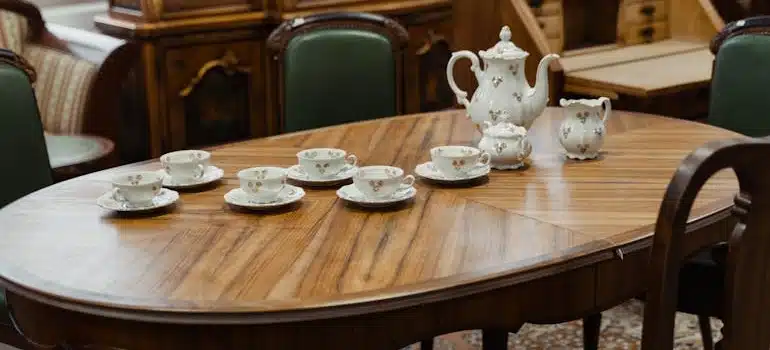
Antique pieces often look stronger than they are. A dresser may seem solid, yet the frame may already have loose glue blocks or worn joinery. Likewise, a dining table may hold weight at home but fail after repeated lifting, stair carrying, and vibration on the road.
This problem gets worse when people move oddly shaped antiques like standard furniture. Don’t lift from the wrong point, drag a piece across the floor, or leave drawers inside during transport. As a result, stress builds where the furniture is already weak.
Start with a close inspection. Check legs, arms, drawer runners, back panels, and connection points. Remove anything that comes off safely, such as shelves, mirrors, marble tops, and hardware. Then label each part clearly. Wrap detached parts on their own and keep all hardware in marked bags.
Our South Florida clients often ask, what is the best way to move antique furniture? The answer is simple: reduce pressure on weak parts, support the heaviest areas from below, and never rush the carry. A slow move protects both the item and the people handling it.
South Florida weather can work against antique furniture quickly. Heat, humidity, and sudden rainstorms create real problems during loading, transport, and delivery. Plastic wrap placed directly on wood can trap moisture. That can soften finishes, stain surfaces, or raise veneer.
This is where clients often search for how to move antique furniture and get advice that works for newer items but not older ones. Standard shrink wrap, for example, should not sit directly against antique wood for long periods. Instead, start with breathable padding or acid-free paper where needed. Then add moving blankets and outer protection that keeps the item stable without sealing in moisture.
Climate matters during the full trip, not just on moving day. If a piece will sit overnight, ask where it will stay and how it will be protected. Sudden shifts between air conditioning, outdoor heat, and damp conditions can stress old wood. Therefore, proper packing for long-haul moves should support airflow while still guarding against impact.

Most antique damage is not dramatic. It often shows up as scratches, worn edges, chipped veneer, rubbed corners, or loose trim. That kind of damage may not stop the furniture from working, but it can reduce its value and change the look of the piece.
Fine finishes need special care. Waxed wood, shellac, gilded accents, cane panels, and hand-painted surfaces each react differently to pressure and friction. So, tape should never touch the finish. Rope should never press against carved areas. Heavy stacking should also stay off the table.
If moving antique furniture long distance includes a delay, choose storage carefully. A clean, climate-controlled, white-glove storage is safer for antiques than a basic space with major temperature swings. This matters in South Florida, where humidity can build quickly. Short-term protection helps, especially if closing dates shift or your new home is not ready.
Handling details also matters during loading. Keep antique items upright when needed, avoid over-tightening straps, and leave space around carved or projecting parts. Small details often take the first hit in a crowded truck.
Many owners know the emotional value of an antique piece. But do you know its current market value or what their moving coverage actually includes? That can become a major problem after loss or damage. If the paperwork is vague, recovery gets harder.
Create a written inventory before the move. Include dimensions, age if known, materials, condition notes, and clear photos from several angles. Take close shots of existing wear, repairs, and maker’s marks. In addition, save appraisals, receipts, or past restoration records if you have them.
Ask direct questions about moving insurance. Some policies cover weight-based liability, which does not reflect the true worth of an antique. Others may exclude certain conditions if the piece had a pre-existing weakness. Clear records help you prove the condition and value before transit starts.
This issue matters even more when moving antique furniture overseas. Customs paperwork, longer transit times, container conditions, and extra handling points all raise the stakes. Good documentation protects you during domestic moves, yet it becomes even more important when a shipment crosses borders.

A careful plan lowers risk at every stage. The best results usually come from a clear, museum-worthy handling, packing, and paperwork before the truck leaves:
Room planning also helps. Measure doorways, stairwells, elevators, and tight corners at both homes. That reduces last-minute tilting, twisting, and forced carries. If a piece needs crating, arrange it before move week, not the day before pickup.
Homeowners in South Florida often focus on distance first. Yet the bigger issue is protection during every transfer point. Loading, unloading, temporary holds, weather exposure, and final placement all matter.
Antique furniture carries age, craftsmanship, and, often, family history. That is why moving antique furniture long distance calls for patience, planning, and the right packing materials. Weak joints, moisture, finish damage, and poor paperwork cause many avoidable losses. A careful approach helps you stay ahead of each risk. If you are comparing options in South Florida, talk with local movers who understand delicate household items and long-haul planning before move day arrives.