4 Common issues when moving antique furniture long distance
One small crack can change the value of an antique piece. That is why long-distance transport needs more than blankets and a truck. Age, ...
License Number: US DOT 2855891
MR 01221
IM 2721
MC 956262


When moving to Florida, especially if you’re coming from a colder climate, you may find yourself with an abundance of winter clothes and gear. The warm, year-round sunshine of South Florida is a stark contrast to snowy winters, which raises the important question: What to do with winter clothes and gear when moving to Florida? It’s essential to manage these items wisely to maximize space and minimize stress, whether you’re relocating permanently or just packing for a short-term stay. Here’s your Pro Movers Miami guide to handling winter clothes when moving to Florida.
Before doing anything with your winter clothes and gear, take the time to evaluate what you actually need in Florida’s warm climate. South Florida is known for its consistent warmth, with only mild fluctuations in temperature during the winter months.
Most of your heavy jackets, thick sweaters, and snow gear won’t be necessary. However, some lighter pieces, like a jacket for cool evenings or a sweater for indoor air conditioning, may still come in handy. To avoid unnecessary packing, keep only what fits your new lifestyle.
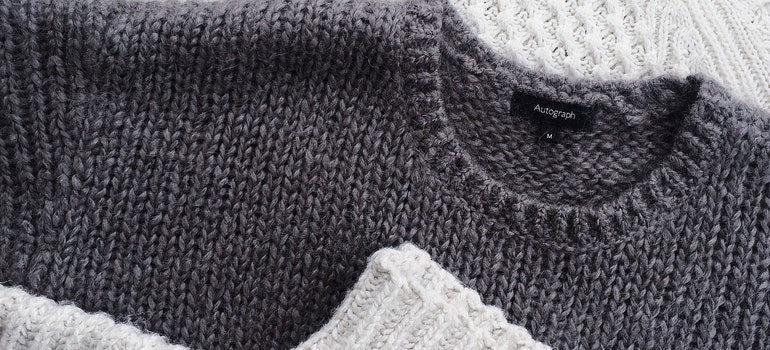
In Miami, your clothing needs will shift drastically compared to those you’re used to in colder climates. The best approach is to evaluate your wardrobe regularly and pack only clothes for Florida that match the weather.
When moving to Florida, adjusting to the local climate is key to understanding what winter clothes you’ll need. Local winters are mild, especially when compared to the harsh cold of northern regions. Understanding Florida’s weather patterns and packing accordingly can save you valuable space and ensure you’re comfortable throughout the year:
Given the relatively mild winter temperatures, you won’t need bulky winter gear such as heavy coats, boots, or thick scarves.
Focus on clothing that’s adaptable to varying temperatures. Here’s a quick guide on what to pack:
If you want to keep a few winter items for unexpected cold spells or travel, storing your winter clothes in storage units in Miami is the best option. Some units even offer specialized containers that help protect delicate fabrics from mildew, mold, or pests.

When moving to a warmer climate like Florida, the idea of holding onto heavy winter coats and gear can feel unnecessary. Instead of keeping clothes you won’t wear, consider donating them to charity. If you’re looking to donate unwanted winter clothes while moving, donation removal services can help you streamline the process.
Here’s why donating winter clothes can be a smart move:
If you’re wondering where to donate winter clothes, there are plenty of opportunities in Miami and the surrounding areas. Local organizations like the Miami Rescue Mission, Goodwill donation centers in South Florida, and the Salvation Army are just a few of the places that will gladly accept donations.
You might not realize that donating your winter clothes to charity can also offer some financial benefits. In the U.S., charitable donations to qualified organizations are often tax-deductible, meaning you could lower your taxable income by donating unwanted gear.
When you donate, be sure to keep a record of the items you give away, along with their estimated value. Many charities, such as Goodwill or the Salvation Army, provide a receipt for your donation, which makes it easier for you to claim deductions on your taxes. This could be a great extra incentive for you to declutter your home while giving back to those in need.
Packing your winter clothes for a move to Florida requires some planning. You’ll want to ensure your winter gear is well-protected during transit and stays in good condition until you decide what to do with it. Start by using sturdy packing materials like moving boxes in Miami or bubble wrap for delicate items such as leather jackets or boots.
For your clothing, it’s best to use wardrobe boxes, which allow you to hang your garments without folding them, preserving their shape. If you have space bags, those can be a great option for compressing bulky items, saving room in your moving truck or storage unit.
To label your winter clothes clearly, use colored labels or stickers for easy identification, such as blue for jackets and green for shoes. Write specific descriptions on each box or bag, like “Winter Jackets” or “Cold Weather Gear,” and include size or name information if needed.
Using clear storage bags or bins also helps, as you can see the contents without opening them. Lastly, create an inventory list of items for quick reference when unpacking in Florida. If you’re hiring a professional moving company, they can offer packing services in Miami that ensure your items are packed efficiently and securely.
What to do with winter clothes and gear when moving to Florida, in case you’re not ready to part with them? Another viable option is storage. Florida’s climate doesn’t require heavy winter gear, but that doesn’t mean you have to throw it away. If you only need your winter clothes for a few months each year, seasonal storage is an ideal solution.
Look for the best storage options in Florida that cater to seasonal use, such as climate-controlled storage units. These white glove storage units are particularly useful for protecting your gear, as they prevent excessive heat and humidity from damaging sensitive materials like wool, leather, or down feathers.
Additionally, some storage companies offer flexible leasing plans, meaning you can keep your winter clothes in storage for a few months or the entire off-season.

Items like snow boots, skis, and snowboards may take up a lot of space and seem cumbersome to store in Florida. The good news is, there are efficient storage solutions to this problem. Consider using specialized storage containers that are designed to keep bulky items organized and protected.
Many storage companies offer large, climate-controlled lockers that are perfect for items you may not need regularly. For snow gear you only use occasionally, rent a seasonal storage space near your new Florida home.
If you’re hesitant to donate or store your winter clothes and gear, consider repurposing or recycling them. You can upcycle old coats, scarves, and gloves into pillows, blankets, or even sold at local flea markets. This can be a great way to give your old items new life.
In addition, many recycling centers accept textiles that you can’t donate, so your winter clothes don’t end up in a landfill.
Moving to Florida opens up many exciting possibilities, but it also requires managing your wardrobe and gear effectively. What to do with winter clothes and gear when moving to Florida is a common dilemma for newcomers. Yet, there are practical solutions available.
You can donate, store, or repurpose your items, all while maximizing space and minimizing stress. For all unsure of where to start, utilize local moving services, packing materials, and storage options.
With expert guidance and proper planning, you’ll be able to transition smoothly into your Florida lifestyle. Get ready to embrace the sunshine without the bulk of winter clothing weighing you down!