The best fine-dining restaurants in Miami
A restaurant can tell you more about Miami than a condo tour ever will. Menus, reservation patterns, and the pace of dinner service often ...
License Number: US DOT 2855891
MR 01221
IM 2721
MC 956262


Boxes get all the attention, yet paperwork decides how settled you feel. Miss one form, and you may face late fees, coverage gaps, or lost mail at the worst time. This guide by our Miami movers covers post-move paperwork you need to handle in South Florida, with clear steps that fit real life in Miami-Dade, Broward, and Palm Beach. Use it to lock in your address, protect your identity, and line up key accounts fast, so daily routines start working again.
Paperwork goes faster when you group tasks by urgency. Right after the move handle things tied to mail, identity, and vehicles. Next, tackle home services and insurance, because gaps can cost you.
Then, finish with schools, healthcare, and memberships, since those take calls and follow-ups. This approach works well as a move-related paperwork checklist because it reduces repeat work and keeps your info consistent across systems.
Mail forwarding helps, but it does not update your address across your life. So, change your address with major institutions right away. Prioritize banks, credit cards, employers, payroll providers, and subscription services.
Next update insurance carriers, doctors, and schools. If you run a business, update vendors and payment processors too, since invoices can fail when the billing details mismatch. Treat this as your “source of truth,” and keep one note with the exact address format you want used.
Set up mail forwarding early so important items reach you while you update accounts. Confirm your name matches the mailbox label, since many South Florida buildings enforce delivery rules even for residential movers in Miami. If you live in a condo, ask about package lockers, pickup hours, and delivery codes.
Following, save those access notes where you can find them quickly. Also, tell frequent senders (like family, your doctor, and your insurance broker) so critical mail does not rely on forwarding.
Healthcare paperwork feels boring until you need it fast. So, transfer medical records to new providers and update your pharmacy profile. Also, update your dental and vision providers, since many plans route claims by office details.
Request school records and immunization forms early, if you have kids, because enrollment can stall without them. Pet owners should update microchip registration, vet records, and county licensing, since lost-pet recovery depends on current contact info.
Call your insurer and confirm the new address on every policy. That includes auto, renters, homeowners, flood, and umbrella coverage. In South Florida, this step matters because risk rating and coverage requirements can change by ZIP code, flood zone, and building type.
If you bought a home, organize your closing packet, survey, title policy, and warranty info in one folder. If you rent, save your lease, white glove storage contract, move-in checklist, and any repair requests you filed.
Florida paperwork ties closely to your address, so handle it soon after you arrive. Update your Florida driver’s license address and your vehicle registration address, since that impacts renewals and notices.

Next, update SunPass (or your toll provider), because mismatched plate and address data can lead to billing problems. If you moved counties, confirm parking permits and residential decals, since cities and HOAs often use address-based eligibility.
Service accounts and transferring utilities in South Florida create the fastest “paper cuts” after moving. Therefore, confirm start dates, deposit rules, and autopay details for electric, water, gas (if applicable), trash, internet, and security monitoring. Request final bills from your prior address and keep proof of shutoff.
In the case you moved into an HOA or condo, submit any required resident forms, vehicle info, and emergency contacts. This step reduces lockouts, billing overlaps, and missed maintenance notices.
Update voter registration to match your new address, since precincts change across county lines. Then update your address with other agencies you use, such as benefits portals, professional licensing boards, and any program tied to residency.
Keep screenshots or confirmation emails, because proof saves time when a record does not update correctly. This is also the moment to update your library card and local municipal accounts, if your city offers resident services.
New homeowners in Florida should learn the homestead exemption process early, since deadlines matter. If the home is your primary residence, gather the typical documents you may need, such as a Florida ID, vehicle registration, and proof of residency.
Then, track the county property appraiser requirements for your location. Even if you do not qualify, confirm mailing addresses for tax notices, since missing a notice can trigger avoidable penalties.
Moves create data trails, and scammers love messy transitions. First, update billing addresses for banks and credit cards so fraud alerts do not block your purchases. Next, review your credit report for old addresses and unfamiliar accounts, and fix errors quickly.
Don’t forget to turn on account alerts and consider a credit freeze if you want stronger protection. Use one dedicated folder for receipts, deposits, and reimbursements, so any disputes are easy to prove.
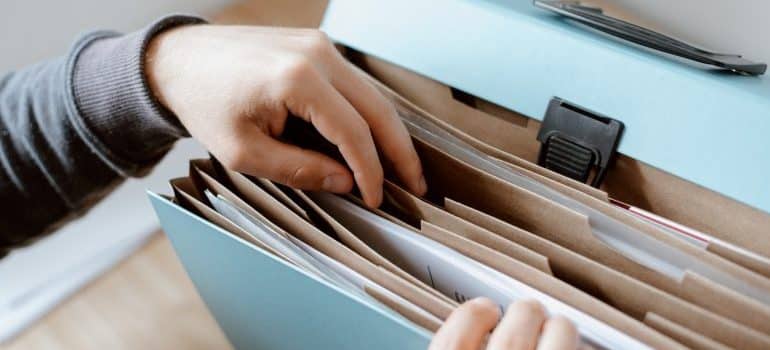
Post-move paperwork piles up fast, so set up a simple system now. Create one digital folder with subfolders for Home, Vehicles, Insurance, Medical, School, Taxes, and Receipts. Then scan key documents and label files with dates, like “Lease_2026-02” or “AutoPolicy_2026-03.”

Keep originals in a waterproof pouch, especially in storm season. Use this change-of-address routine after every move to ensure nothing slips through the cracks. Here’s a quick after the move checklist you can finish in one weekend:
Start with a single “official” address version, and copy it exactly every time. Furthermore, take photos of account confirmation screens, since call centers often ask for proof later. Keep a notes app list of every company you contacted, plus dates and ticket numbers.
If you live in a high-rise, confirm delivery instructions, because missed packages create the most time-wasting follow-up. Finally, avoid last-minute rushes before hurricane season, since service backlogs can slow everything down.
Post-move paperwork feels small, yet it controls mail, billing, and legal notices. Set a two-week window, and tackle the high-impact updates first. Then, clean up the rest with one document system you can reuse. Save confirmations, keep a short contact log, and check one item off each day. Soon, your accounts will match your new home, and daily life will run without random surprises. Enjoy the calm that follows a clean setup.