Moving in the rain: tips and tricks
Moving in the rain can be stressful, especially in areas like South Florida, where the weather is unpredictable. While we can't control the weather, ...
License Number: US DOT 2855891
MR 01221
IM 2721
MC 956262


A heavy sofa, a narrow hallway, and South Florida heat can turn a simple move into a painful mistake fast. As professional movers in Miami know, injuries rarely happen because one item is impossible to carry. More often, they happen when people rush, lift the wrong way, or skip basic planning. Knowing what injuries happen most often during a move and how to prevent them helps protect your body, your home, and everyone helping on moving day.
Moving looks straightforward until the real work begins. Boxes stack up, furniture feels heavier than expected, and awkward spaces force you into unsafe positions. In South Florida, high humidity and heat can make the job even tougher. As a result, fatigue sets in faster, grip strength drops, and small mistakes become bigger risks.
Most common injuries when moving happen for a few predictable reasons. People often lift with their back instead of their legs. They twist while carrying a weight. They underestimate how bulky an item is. In addition, they may wear poor footwear, skip gloves, or try to move too much in one trip.

Some injuries show up again and again on moving day, especially when people are rushing or using poor lifting techniques. Here are the ones professional local movers in Florida see most often.
Back injuries are at the top of the list. They usually happen when someone bends at the waist, lifts too quickly, or carries more weight than they can control. What makes back injuries so common is that one awkward lift can strain muscles that are already tired from repeated bending and carrying. Back strain symptoms may include:
In many cases, the problem is not the size of the item but the way the body moves while lifting it.
Shoulders take a lot of stress during a move, especially when lifting furniture, loading trucks, or reaching overhead. Overextension can strain muscles and irritate joints. Because the shoulder has a wide range of motion but less stability than other joints, it is easy to strain it during sudden or awkward lifting. Consequently, a simple lift can lead to pain that lasts for days or weeks.
Knees are vulnerable when lifting from the floor, climbing stairs, or carrying heavy items over uneven ground. The risk increases when the knee twists under weight, since the joint is built to bend more naturally than it is to rotate. If you squat with poor alignment or pivot suddenly, you can strain ligaments and joints.
Crushed fingers, cuts, and pinched hands are extremely common. These injuries happen fast because hands are usually the first part of the body to absorb shifting weight or sudden movement. These injuries often happen when setting furniture down, gripping door frames, or handling boxes with weak bottoms. Therefore, hand protection matters more than many people realize.

Loose cords, wet walkways, slippery tile, and cluttered rooms create major hazards. In South Florida, sudden rain can make driveways, entryways, and truck ramps slick in minutes. A fall does not have to come from a height to cause real harm, especially when someone is carrying weight or landing awkwardly. Falls can cause bruises, sprains, fractures, and head injuries.
Looking upward while carrying tall items or supporting uneven weight can strain your neck. Neck strain often develops when the upper body is doing one job, and the head is forced into another position to see around the item. This is especially common when moving mattresses, mirrors, and large appliances through tight spaces.
South Florida brings a few local challenges that increase injury risk. Heat is the most obvious one. When your body overheats, concentration drops, and muscles tire faster. In addition, dehydration can lead to dizziness, slower reaction time, and cramps.
Storm season is another factor. Wet surfaces create slipping hazards, while sudden weather changes can disrupt your plan and tempt people to rush. Many homes and apartment buildings also have stairs, elevators, tight turns, and limited parking. Because of that, preparation is not optional. It is part of staying safe.
Preventing common injuries related to moving and handling starts with treating the job like real physical work, not just another task on your weekend checklist. These practical steps can make a major difference.
Walk through your space in advance. Measure doorways, hallways, stairwells, and large furniture. Identify which items need two people, which need equipment, and which should be disassembled first. Moreover, clear pathways before the first box leaves the room. A moving plan reduces rushed decisions. It also helps you avoid carrying items farther than necessary.
Good form protects your back, shoulders, and knees. So follow these basics:
If an item feels too heavy at the start, stop immediately. That first signal is often the warning people ignore.
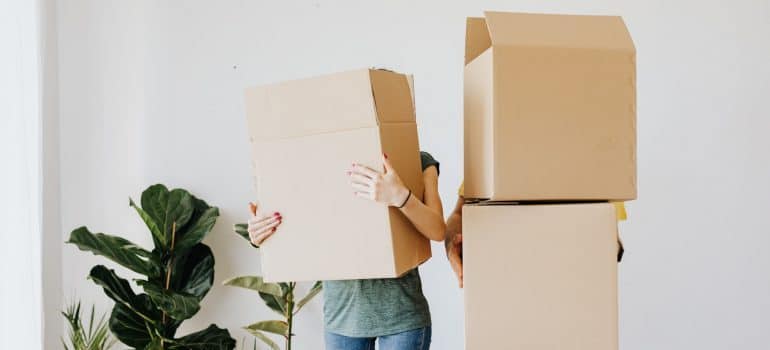
Many moving-related injuries happen when someone tries to handle a large or awkward item without help. A sectional, safe, dresser, or refrigerator can shift suddenly and pull you off balance. Instead, use team lifting and communicate clearly before every move. Use simple commands like “lift,” “step,” “down,” and “stop.” That way, everyone moves together and avoids sudden jerks.
Professional residential movers in Miami rely on equipment because it reduces strain and increases control. Whenever possible, use:
These tools do not just protect your belongings. They also protect your joints, muscles, and grip.
Overpacked boxes are common packing mistakes that often cause moving injuries. Heavy boxes are harder to control and more likely to break open. Instead, keep boxes at a manageable weight. Put books, tools, and dense items in small boxes. Reserve larger boxes for lighter belongings like bedding and linens. Also, label boxes clearly. When a box is marked “heavy” or “fragile,” handlers can adjust their grip and pace accordingly.
In South Florida, timing matters. Start early in the day when temperatures are lower. Drink water regularly, not just when you feel thirsty. Take short breaks in the shade or air conditioning. If you feel lightheaded, weak, or overheated, stop and recover before continuing. Heat exhaustion can sneak up fast. Therefore, any safe moving plan should include water, rest, and realistic pacing.
Not every injury happens while lifting. In fact, many people get hurt simply by tripping over clutter or slipping on wet surfaces. Packing tape, loose rugs, boxes, and cords are easy to overlook when the pace picks up.
Before moving day:
A clear path is one of the easiest safety wins.

A few smart choices can prevent moving injuries that happen late in the day, when people are tired and less careful.
First, break down large furniture when possible. Removing table legs, shelves, mirrors, and drawers makes pieces lighter and easier to control. Second, never carry something if you cannot see where you are stepping. Third, match the task to the person. Stronger lifters should handle heavier loads, while others can pack, guide, or organize.
Most importantly, know when to call professional moving services in Miami. If you have stairs, oversized furniture, fragile valuables, or a long-distance move in summer conditions, expert help often costs less than an injury.
Soreness after moving can be normal. Sharp pain is not. Stop right away if you feel symptoms like sudden back pain, numbness, weakness, dizziness, or joint instability. Pushing through pain often turns a mild strain into a more serious injury. In addition, delaying care can lengthen recovery time. Listen to your body. A safe move is always better than a fast one.
Moving day does not have to end with ice packs, sore muscles, and regret. Smart planning, proper lifting, the right equipment, and realistic pacing can help you avoid moving injuries and protect everyone involved. South Florida conditions add extra challenges, yet they also make preparation even more valuable. Treat your move like a physical job, not a casual chore, and you will give yourself a smoother, safer, and far less painful experience.