The 5 best places to live in Miami Dade County
Miami-Dade neighborhoods can feel totally different a few miles apart. This guide narrows the best places to live in Miami Dade to five areas, ...
License Number: US DOT 2855891
MR 01221
IM 2721
MC 956262


Florida and Texas share heat, storms, and fast-growing cities. Still, daily life feels different once you cross state lines. Housing styles change. Utility setups change. So do taxes, driving habits, and even how you plan a moving day. This guide by one of the best moving companies in Florida explains what to expect from moving from Florida to Texas, step by step, so your plans match reality and your first month goes more smoothly.
Texas has no state income tax. That can feel like a win if you move for work. Yet other costs can rise, especially property taxes in some counties. Insurance patterns also differ. Wind and flood concerns stay important, but the risk map changes with your new location.
Sales tax varies by city and county. Therefore, compare total “out the door” costs when you price appliances, furniture, and home upgrades. Your interstate relocation budget and home setup cost, too. You may pay deposits for utilities, install fees for internet, and new gear for the climate.

Home layouts often differ from what you saw in Florida. In Texas, you may see more slab foundations, brick exteriors, and attached garages. Yards can be larger, yet shade can be limited in newer developments. HOAs can be strict in suburbs, while rural areas may have fewer rules and fewer services.
If your plan includes moving from Florida to Texas with white-glove movers, decide what matters most before you even tour homes. Commute time, school zones, and flood risk should sit near the top. Ask about drainage, grading, and past water issues. Correspondingly, ask about roof age and insulation. Those details affect comfort and monthly bills.
Florida humidity can feel constant. Texas heat can feel sharper, and it can swing more between day and night. In parts of Texas, you may also see hail, stronger straight-line winds, and winter freezes that disrupt roads and plumbing. That means you should plan for insulation, pipe protection, and backup power options.
If you’re moving from FL to the TX countryside, expect fewer municipal services during severe weather. Power restoration and road clearing can take longer outside city cores. Keep a simple emergency kit ready on arrival. Stock water, flashlights, and basic tools before you unpack everything.
Air conditioning will stay a priority, yet your system type may differ. You might see heat pumps, gas furnaces, or electric resistance heat, depending on the region and the house. Ask for past utility bills if you can. Also, check the age of the HVAC unit, since replacement costs can be high.
Water quality can differ, too. Some areas have hard water, and you may want a softener. In rural zones, you may rely on a well and septic system. Learn the maintenance schedule right away. A quick inspection can prevent expensive surprises later.
Texas roads feel wide, and highway driving often moves fast. Toll systems vary by region, so set up the correct toll account early. If you land in a major metro, expect long rush hours and large interchanges. Plan your move-in day route carefully. Truck restrictions, tight turns, and low clearances still exist, even in car-friendly cities.
If you prefer walkable living, choose neighborhoods with retail clusters and sidewalks. If you prefer space, you may trade walkability for land. Either way, map your most common routes before you commit to a lease or purchase.

Texas has major job hubs in energy, healthcare, logistics, construction, and tech. The strongest sectors depend on where you land. Large metros can offer a bigger job variety. Smaller cities can offer shorter commutes and lower housing costs, but fewer employers in each niche.
If your move depends on a new job, compare total compensation to the TX cost of living. Look at insurance costs, commute costs, and childcare costs. Those categories can change your real take-home value. A higher salary can still feel tight if housing and taxes rise.
If you have kids, school enrollment rules differ by district. Gather records early and confirm zoning. For healthcare, identify your closest urgent care and hospital soon after you arrive. Likewise, confirm that your insurance network works in your new area. Provider availability can vary, especially outside major cities.
Pet owners should find a vet and update microchip details quickly. Furthermore, learn local leash laws and wildlife risks. Rural areas can bring new hazards, like coyotes, feral hogs, and snakes. A simple fenced-yard plan can make daily routines safer.
Texas is big, and distances can change your timeline. A move from Miami to a nearby state border city feels different from a move deep into the state. Build extra buffer time for traffic, weather, and long drive segments. It is also smart to start planning early with interstate moving companies in Miami to lock in dates, pricing, and route timing. If you ship a car, confirm delivery windows and inspection steps.
Here are a few practical variation scenarios you may relate to:
After you set your scenario, build your checklist around it. That keeps the plan realistic and keeps costs under control.
Plan to take care of post-move paperwork. You’d need to update your driver’s license, vehicle registration, and insurance policies after you arrive. Texas has its own timing rules and inspection requirements, and those can vary by county. Keep your essential documents in one folder during the move. Include IDs, proof of insurance, lease or closing papers, and pet records.
Also, update your address across banks, payroll, subscriptions, and medical providers. Mail forwarding helps, but it won’t update everything automatically. Put reminders on your calendar for any follow-up steps, such as plates, tags, or school forms.
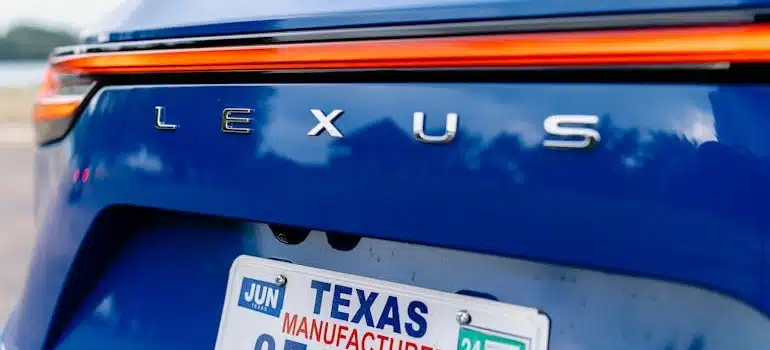
Daily routines may shift more than you expect. Texas cities often feel spread out, so driving becomes part of most errands. At the same time, social culture can feel direct and community-oriented. Neighbors may introduce themselves quickly, especially in suburban and rural areas.
Food culture also changes. Barbecue, Tex-Mex, and local diners play a strong role in social life. However, major metros still offer diverse dining scenes similar to Florida’s larger cities. Sports loyalty runs deep, so local teams often shape weekend plans.
If you are moving from Florida to Texas with family, school events, church groups, and local festivals can help you build connections fast. Adapting feels easier when you engage early and explore your immediate community.
Start with safety and comfort items first. Confirm locks, exterior lighting, and smoke detectors. Then stabilize climate control. Replace HVAC filters, learn your thermostat settings, and check door seals. Next, set up the internet and work-from-home needs. After that, unpack the rooms that support daily rhythm: bedrooms, kitchen, and bathrooms.
Try not to over-schedule your first week. New routes, new stores, and new service providers all take time. Keep your goals small and clear. That approach reduces decision fatigue and helps you feel settled faster.
A successful relocation from FL to TX depends on fewer surprises, not more motivation. Your household can also get early estimates from long distance movers in Florida to keep budgeting realistic and delivery windows clear. Make your plan match the region you chose, and budget for setup costs you can’t avoid.
You can expect differences in housing, utilities, and weather, so prepare for them before move day. Once the basics of moving from Florida to Texas work, you can explore neighborhoods, meet people, and build routines that fit your new pace. The biggest wins often come from planning the first two weeks well.