Top reasons for leaving Florida
It is not all rainbows and butterflies in Florida, as so many people think. Yes, of course, there are numerous reasons to come here ...
License Number: US DOT 2855891
MR 01221
IM 2721
MC 956262


Living in South Florida means that winter gear often gets packed away for long stretches of time. With the year-round warmth, items like heavy coats, boots, and blankets can stay unused for months, making proper storage even more essential. Storing these seasonal items with Miami moving and storage experts the right way guarantees they’re in good condition when you need them again. Storing winter gear properly isn’t just about saving space but preserving the longevity and functionality of each item. Here’s how you can do it effectively.
Winter gear is an investment, and storing it correctly ensures that it remains in good condition for future use. Improper storage can lead to damage from moisture, mildew, or simply losing shape. Given South Florida’s high humidity, moisture can be a particular concern.
Excess moisture can lead to mold growth, especially on heavy fabrics, leather, and fur. Taking a few extra steps to store these items correctly can protect your investment and make them ready for the next cold spell. When unsure about how to store bulky winter items, turning to professionals for storage in Miami can make the process much easier.

Before packing away your winter gear, it’s vital to clean everything thoroughly. Dirt, oils, and even moisture left on clothing can lead to unpleasant odors or long-term damage. For items like coats, jackets, and sweaters, washing them according to the manufacturer’s instructions is a must.
A good cleaning removes dirt, body oils, and any hidden food stains, which can encourage mold or mildew growth over time. Cleaning off mud or grime is equally important for boots and shoes. Make sure everything is completely dry before storing it.
Selecting the right storage containers is key to keeping your winter gear safe. South Florida residents opt for clear plastic bins or fabric storage bags, both of which can be helpful in keeping winter gear safe from dust and humidity. Choose breathable containers to avoid trapping moisture inside.
It’s important to ensure that whatever container you use is airtight enough to protect your belongings from excess moisture but still allows some airflow to prevent mold growth. If you store larger items like winter coats or comforters, you might want to use vacuum-sealed bags, which save space while protecting your items from dust and moisture.
For boots and shoes, sturdy plastic bins with lids work well to keep them clean and dry. Be sure to dry these items thoroughly before packing them away to prevent mildew buildup. If you’re worried about excess humidity, including moisture-absorbing packets like silica gel inside the bins can help.
When storing coats, jackets, and other garments, using the right type of hanger is vital to maintaining their shape. Narrow, flimsy hangers can distort the fabric over time, especially with heavier items. Instead, opt for sturdy, wide-shouldered hangers that offer good support.
These will help prevent stretching and keep your garments from losing their shape while in storage. Additionally, hanging coats and jackets allows for air circulation, which helps to prevent moisture buildup.
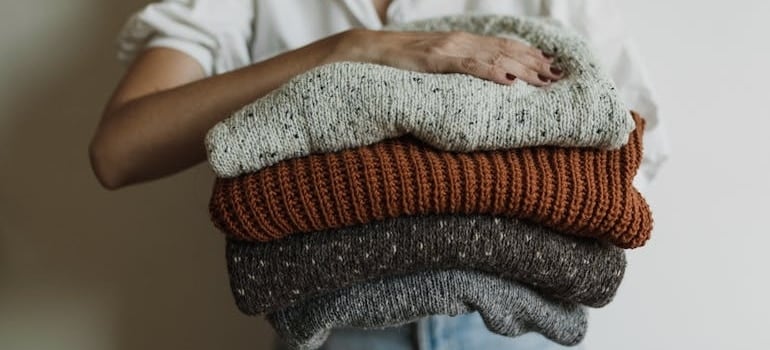
If you don’t have enough hanging space, using a garment bag can help protect your coats and jackets from dust and light exposure while still allowing them to breathe. This is especially important for expensive or delicate winter wear that may need extra protection.
When it comes to where to store your winter gear, the location matters. Avoid keeping your items in areas that are hot, damp, or exposed to direct sunlight. These can cause fading, deterioration, or moisture buildup. For example:
Storing your gear in a space with controlled humidity can prevent unwanted changes to fabric quality, color, or texture. Keeping everything off the floor will also prevent any potential water damage if you live in a flood-prone area.
Leather goods and fur-lined items require special care during storage. In a climate like South Florida’s, leather and fur can suffer from heat and humidity, causing the material to dry out or become brittle. Before storing leather boots, gloves, or coats, clean them with a mild soap solution and condition them with a leather conditioner to keep the material supple.
It will prevent cracking or fading over time. Similarly, fur-lined items need to be cleaned and stored in a way that allows the fur to breathe. Avoid airtight bags for these items, as they need some airflow to prevent the fur from becoming matted or damaged.
When storing these sensitive items, expert packing services in Miami can help you secure them, ensuring they remain in top condition. Treating leather and fur with care and storing them properly will help avoid the wear and tear that can occur from exposure to the elements.
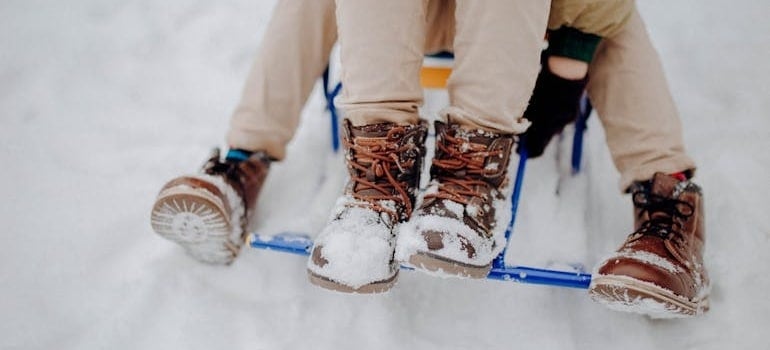
Once your winter gear is safely stored, it’s a good idea to check on it periodically. Check for any signs of moisture or mildew, and ensure that your containers are still airtight and secure.
If you’re using fabric bags or bins, make sure they’re not exposed to high humidity or sudden temperature fluctuations. A periodic check ensures that everything remains in good condition and is ready to wear when the weather finally turns cooler. Taking a few extra minutes to inspect your stored items each year can save you from potential frustration later on.
Properly storing your winter gear is essential for ensuring it stays in excellent condition. Cleaning your items before storing them, selecting the right containers, and choosing a cool, dry location will help keep your winter gear safe from moisture and damage. In South Florida, it’s especially important to be mindful of humidity levels. Using dehumidifiers, breathable storage bins, and high-quality hangers can make all the difference. Following these expert tips will ensure your winter gear is ready to go when the temperature finally drops.