4 Common issues when moving antique furniture long distance
One small crack can change the value of an antique piece. That is why long-distance transport needs more than blankets and a truck. Age, ...
License Number: US DOT 2855891
MR 01221
IM 2721
MC 956262


Relocating to the Sunny State as an artist can feel like stepping onto a huge, bright stage. Suddenly, murals, galleries, and festivals sit right around the corner. New clients land at your feet with every tourist season. At the same time, questions pile up fast: where to live, how to move canvases, which city fits your work. This Pro Movers Miami guide to moving to Florida as an artist gives practical answers and helps you turn a big relocation into your next creative breakthrough today.
The growing art scene and artist communities in Florida have made it a popular destination for creative professionals. Cities like Miami, St. Petersburg, and Sarasota offer dynamic art in Florida markets with plenty of galleries, museums, and festivals. The state also boasts a variety of artistic opportunities, from street art to fine art, digital creations, and everything in between.
With a lower cost of living compared to other art hubs like New York and California, Florida allows artists to pursue their work without breaking the bank. The absence of state income tax is another perk, making it easier to invest in your craft while keeping more of your earnings. Florida’s appeal is further enhanced by the availability of various Florida artist residencies, offering artists time, space, and support to create their best work.
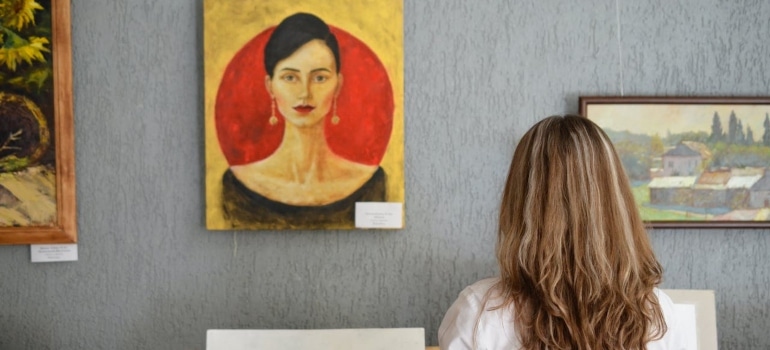
Choosing the right city for your art, including those with the best art walks and open studios in Florida, is crucial to your success. Several Miami neighborhoods are perfect for artists looking for a high-energy, international art scene. It’s home to iconic events like Art Basel and a bustling gallery district, ideal for artists looking to break into the global market.
On the other hand, smaller cities are known for their strong local arts scenes and more affordable living. For artists seeking balance between creativity and peace, cities like St. Petersburg and Sarasota provide the best of both worlds.
The cost of living in Florida can vary greatly depending on the city or region, which is a crucial factor when choosing where to relocate as an artist. Below is a breakdown of what you can expect in terms of living and studio space costs across different Florida cities:
Major urban areas like Miami have higher costs, especially in popular neighborhoods near galleries or art districts. However, following in the footsteps of famous Florida artists like James Rosenquist and Jean-Michel Basquiat, smaller cities like St. Petersburg and Sarasota offer a more laid-back, community-focused vibe.
In terms of studio space, you’ll find an assortment of options, from shared co-working spaces to larger private studios. Choose depending on your needs:
Many artists also choose live-work spaces, which offer the convenience of living and working in the same place. This can be especially helpful for artists on a budget, as it allows you to save on rent while maintaining a dedicated creative space.
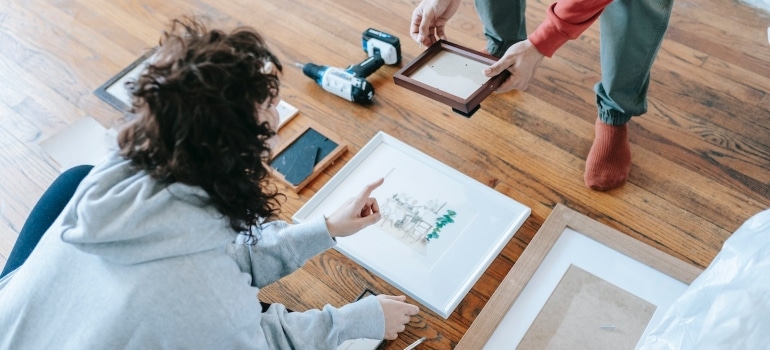
Relocating your artwork and supplies requires careful planning to ensure everything arrives safely. You’ll need sturdy packing materials for paintings, sculptures, and other delicate items. Custom crates, bubble wrap, and padded blankets are essential for protecting your work from damage during transport.
It’s important to work with a professional local art moving company that specializes in art and delicate items. These movers will have the experience and tools necessary to handle fragile pieces with care. They can also provide helpful advice on how to pack and protect your art.
For artists with a large body of work, long-distance storage solutions are available to keep your pieces safe until you’re ready to display them in your new home or studio. Look for storage services that offer 24/7 access and climate control.
When moving to Florida as an artist, especially if you’re in transition between locations or need to store art and supplies, finding the right storage option is key. Florida’s humid climate can negatively affect delicate art materials, so it’s crucial to select a storage solution that offers climate control:
Florida’s humidity can damage sensitive artwork, so storing your work in a secure, climate-controlled, white glove storage will keep it in pristine condition.
Long-term storage options may also be useful if you plan to store excess materials or larger works while transitioning between studios or homes. Many storage companies offer flexible contracts that allow you to rent a space for as long as needed.
Once you’ve settled in Florida, it’s time to think about how to officially register your art business. Florida is one of the most tax-friendly states for business owners, thanks to its lack of state income tax. However, artists must still consider sales tax when selling artwork. You’ll need to keep track of your sales and expenses to ensure compliance with state regulations.
In addition to registering your business, it’s important to keep records of all costs related to your move, including art supplies, studio rent, and moving expenses. These can be useful when filing taxes and may help reduce your overall taxable income. Hiring a local accountant familiar with art-related businesses can be a smart move to navigate tax requirements.

Once you’ve relocated to Florida as an artist, it’s essential to immerse yourself in the local creative community. Florida has a rich network of art councils, cooperative galleries, and shared artist spaces. Together, they provide numerous opportunities for collaboration and growth. Here are some tips for getting started:
You’ll quickly find support, mentorship, and valuable opportunities to elevate your career by networking and actively participating in Florida’s artistic community.
The state provides a variety of environments for artists to flourish, whether you’re drawn to the fast-paced scene in Miami or the quiet charm of St. Petersburg. Hence, moving to Florida as an artist presents endless possibilities for expanding your art career. Yet, only with preparation can you ensure a seamless transition to your new artistic home.
Make sure to select the right city, plan your move carefully, and utilize professional moving services. Don’t forget to explore moving and storage services that specialize in handling art. Take advantage of the exciting opportunities in Florida and watch your creative practice thrive in this dynamic state.