Is it cheaper to rent a truck or hire movers when relocating to Fort Lauderdale
When you plan a move in or to Fort Lauderdale, the first big money question often sounds simple: rent a truck or hire movers? ...
License Number: US DOT 2855891
MR 01221
IM 2721
MC 956262


Miami can feel pricey fast, especially once rent, parking, and everyday errands stack up. Still, you can build a life here without paying luxury prices, as long as you choose the right area and shop smart for housing. In this guide, Pro Movers Miami will walk you through practical, realistic options so you can live in Miami on a smaller budget. If you’re aiming for value, these picks balance access, amenities, and a budget that won’t break you.
The cost of living Miami residents face is driven mostly by housing, and that’s why location matters so much.
However, “affordable” here usually means you compromise on one thing (like a longer commute or an older building) so you can keep the rest (safety basics, daily convenience, and enough space to breathe).
Before you pick a neighborhood, decide your top three priorities:
Then, use those priorities to filter your shortlist, because Miami neighborhoods can change block by block.
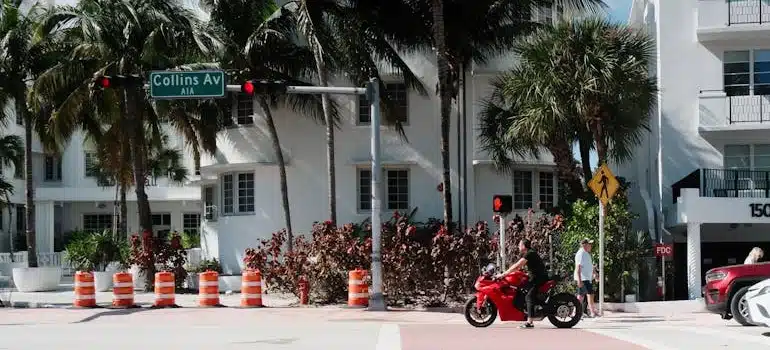
These affordable neighborhoods in Miami can work well if you want to stay close to “Miami proper” while still keeping costs relatively lower than the most in-demand hotspots.
Allapattah is one of the most practical value zones for people who want access to Wynwood, Midtown, and Downtown without paying those price tags.
Additionally, it’s commuter-friendly if you use major roads frequently. You’ll find a mix of older apartments, small multifamily buildings, and some newer pockets, so you can hunt for deals with patience. Tour at different times of day, because traffic patterns and noise can vary a lot.
Flagami is a strong option if you want central-ish convenience near Coral Gables and the airport area. Moreover, it’s a common pick for renters arriving with moving services in Miami, who want a straightforward, residential feel without paying premium waterfront rates.
Buildings skew older, yet that’s often where the better deals live. How to shop smarter in the cheapest neighborhoods in Miami? Ask about average utility costs and parking rules before you apply, since those “small” line items can change your monthly total.
Little Havana can be a good fit if you want to live in Miami on a smaller budget but also enjoy culture, food, and proximity to Downtown. However, pricing ranges widely depending on the exact street and building type.
When you’re comparing listings, look beyond the neighborhood name and focus on the block, the parking setup, and the condition of the unit. Also, rental sites show varying averages over time, so treat any “typical rent” as a moving target rather than a promise.
If your budget is tight, looking just outside the core can give you better square footage, easier parking, and more consistent inventory. In other words, you may get a calmer day-to-day experience while still staying connected to Miami.
Hialeah is a classic value play for South Florida locals. It’s busy, family-oriented, and full of everyday conveniences, so life logistics can feel simpler once Hialeah movers help you move here.
Additionally, you’ll often find more “normal” housing options than you will in trendier neighborhoods. If you drive, check how quickly you can reach your main highways during rush hour, because that’s where the true cost shows up.
Miami Gardens can offer more approachable rental options than many central Miami areas, and it’s worth considering if you don’t need to be near the beach every day. Also, you can sometimes find a better value by comparing nearby cities and pockets that share similar commutes.
North Miami and nearby areas can be a smart compromise if you want access to beaches, Aventura-area shopping, and multiple commuting routes. Still, it’s important to compare specific locations carefully, because the feel can shift quickly depending on where you are.
Also, look for buildings with solid management and clear maintenance policies, because even with moving insurance, a good deal isn’t a deal if repairs are constant.

If you’re open to suburban life in Miami-Dade, you can often get a little more breathing room and a little less monthly pressure. This is where affordable Miami suburbs tend to shine, especially for families, remote workers, or anyone settling with the help of moving companies in Miami-Dade, and who prefers space over nightlife.
Some adjacent pockets can provide lower-cost rental opportunities, and that can help if you’re prioritizing budget above all else. However, do deeper homework on blocks, building upkeep, and daily convenience. Then, make sure you visit more than once, because first impressions aren’t always accurate.
Homestead is one of the strongest more-home-for-your-money options in Miami-Dade, especially if you can handle being farther from the city core.
Besides, it appeals to buyers looking for entry points compared with hotter, closer-in markets. Reality check? Your commute becomes part of your housing cost, so map your weekly routine before calling movers in Homestead FL, and committing.
Getting a cheap apartment in Miami is possible, yet the best listings move quickly. Therefore, your process matters as much as your neighborhood choice.
Use these expert strategies:
If you’re hunting for the cheapest rent in Miami, be cautious about deals that seem far below the local range, because scams and hidden issues do exist. Also, never send money before you’ve verified ownership and toured the unit.
Buying can still make sense if you plan to stay put and you can handle upfront costs. That said, true bargains are limited, and inventory shifts often. If you’re searching for affordable homes in Miami, look for solid-but-older properties, smaller starter homes, and areas where renovation potential is priced in.
People often ask about the cheapest place to live near Miami if they’re willing to commute, and that’s where outer neighborhoods and suburbs can become your best leverage. Meanwhile, if you want to stay closer in, you may need to accept a smaller footprint or an older home.
The lowest prices tend to come with tradeoffs like distance, condition, local HOA rules, or competitive bidding. Even so, patient buyers who are pre-approved and decisive can still find workable options.

Even when rent looks affordable, hidden expenses can quietly push your monthly costs higher. In Miami, parking fees, utilities, and commuting expenses often add up faster than people expect. Therefore, always ask what’s included before you sign a lease.
For example, some buildings charge separately for water, trash, parking, or even amenities you may not use. Additionally, insurance requirements and HOA rules can affect both renters and buyers. Internet options, laundry access, and maintenance responsiveness also matter because inconvenience often turns into extra spending.
Factoring in these everyday costs early, you get a clearer picture of what you’ll actually pay each month. As a result, you protect your budget and avoid surprises that make an otherwise affordable neighborhood feel expensive.
If you want a simple way to narrow down choices before you move to Miami, start here:
These aren’t the only choices, but they’re a strong starting point if you’re looking for affordable Miami neighborhoods that locals actually consider.
Miami is a city of tradeoffs, so choose yours on purpose. First, decide what you refuse to compromise on (safety basics, commute, parking, or school needs).
Next, target a few areas and tour multiple units, because one building doesn’t represent a whole neighborhood. Then, to live in Miami on a smaller budget, negotiate where you can. Especially on move-in dates, lease length, and included utilities.
Most importantly, remember that “affordable” isn’t just a rent number. It’s also time, stress, and how comfortably you can live day to day in the place you choose.