5 Reasons your home is not selling
The reasons your home is not selling usually come down to a few clear issues: price, condition, timing, presentation, or weak listing strategy. In ...
License Number: US DOT 2855891
MR 01221
IM 2721
MC 956262


Palm trees and ocean views sell homes in Miami. However, safety protects your investment long after closing day. Smart buyers evaluate home security features to look for when buying a house in Miami before they fall in love with finishes or layouts. Security affects insurance costs, resale value, and daily peace of mind. This guide by our Miami movers breaks down what matters most in South Florida’s climate, property styles, and risk profile, so you can buy with confidence.
Every solid security plan begins at the property line. Therefore, inspect fencing, gates, lighting, and sightlines first. A fully fenced yard with a lockable gate reduces casual trespassing. Motion-activated exterior lights add visibility at night and deter unwanted activity. Also, check landscaping. Overgrown hedges near windows can create hiding spots, so look for clear lines of sight.
Garage doors should seal tightly and include automatic closing features. Impact-rated doors and windows serve double duty when you move to Miami. They protect against storms and forced entry. If the home sits on a corner lot or backs to a canal, confirm that lighting covers those blind spots. Strong perimeter design supports long-term home security Miami buyers expect in this market.
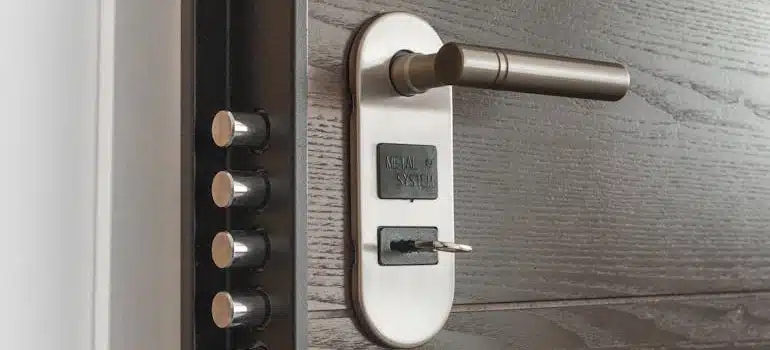
Front and back doors deserve close attention. Solid-core or metal doors provide stronger resistance than hollow options. Deadbolts should extend at least one inch into the frame. Reinforced strike plates add another layer of strength. If the home includes sliding glass doors, verify they have anti-lift devices or security bars.
Windows matter just as much. In South Florida, many homes feature hurricane-impact windows. These systems increase storm safety and also make forced entry more difficult. Check for secure locking mechanisms on every window, even on upper floors. Homes that already meet modern building codes often align with Florida home security standards that insurers prefer.
Next, ask whether the home includes a professionally monitored alarm system. If so, request documentation and confirm that the equipment remains under warranty. Hardwired systems can work well, but newer properties may include smart panels with mobile app access. If you plan to bring valuable pieces right away, coordinate with art movers so they can follow access rules and delivery windows tied to the system setup.
Ask about response times, backup batteries, and cellular connectivity. Storms can disrupt power and internet service. A system with battery backup and cellular communication continues working during outages. This level of reliability supports a strong Miami home security foundation and can reduce insurance premiums.
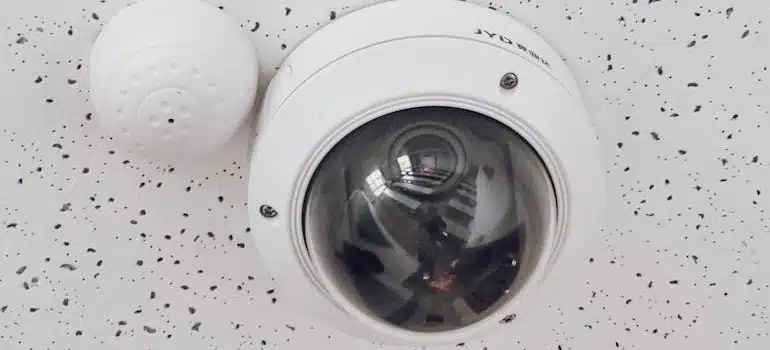
Cameras provide both deterrence and documentation. Check entry points, driveways, garages, and backyard areas for existing camera placement. Verify image quality and night vision capabilities. Grainy footage offers little help if you ever need evidence.
Smart doorbell cameras allow you to monitor deliveries and visitors remotely. Many Miami homeowners value these systems due to frequent package deliveries and seasonal travel. It also helps on move-in day, since white glove movers often coordinate timed deliveries and need clear access instructions at gates, elevators, or loading zones.
Cloud storage features help you review footage when needed. While reviewing technology, confirm that passwords and account access transfer properly at closing.
Many buyers now prefer flexible, app-controlled systems. So if the home lacks built-in wiring, explore options for wireless home security installation Miami providers offer. Wireless systems reduce installation damage to walls and allow easy upgrades as technology evolves.
Wireless sensors can cover windows, doors, and motion zones without major construction. They also integrate with smart lighting and locks. When comparing options, check battery life and signal strength. Miami’s concrete block construction can affect connectivity, so test signal reliability before committing.
Security extends beyond intrusion prevention. Miami homes face flood risks, heavy rains, and humidity challenges. Therefore, confirm whether the property includes water leak detectors near water heaters, washing machines, and air conditioning units. Early detection prevents costly damage.
Smoke and carbon monoxide detectors should meet current safety standards. If the home includes a monitored alarm, verify that fire alerts connect directly to emergency services. Environmental monitoring adds another layer of protection and supports comprehensive home security features to look for when buying a house in Miami.
Insurance companies evaluate protective measures carefully in South Florida. Just like moving insurance helps when an item gets damaged or lost in transit, the right home protections help reduce financial risk after you move in. Impact windows, monitored alarms, and reinforced roofing may qualify for discounts. Before closing, request documentation of upgrades so you can present them to your insurer.
Security investments often increase resale appeal as well. Buyers value properties that already meet modern standards. When reviewing home security features to look for when buying a house in Miami, think beyond today’s needs. Consider how the system will perform in five or ten years.
Before signing final documents, confirm that all security devices function properly:
Buying in Miami means balancing lifestyle and risk awareness. A short review now prevents expensive corrections later.
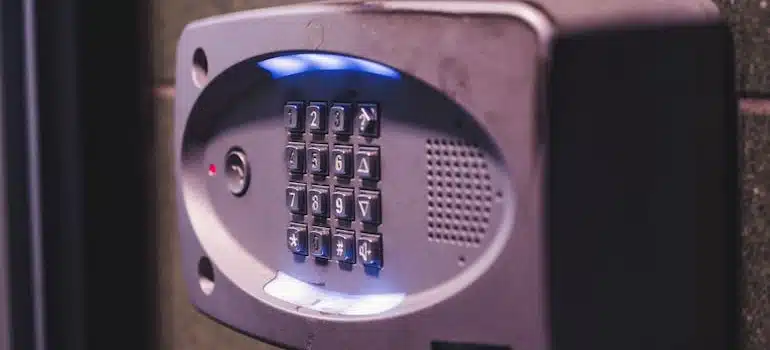
Security does not stop at your front door. You can, for example, research neighborhood crime statistics and ask about local patrol presence. Some Miami communities include gated entries, guard stations, or private security patrols. Others rely on neighborhood watch groups.
If the home sits within a Miami homeowners’ association, review security policies and shared responsibilities. For instance, condo buildings often include controlled access points, front desk staff, and elevator key fobs. These features influence your daily safety and long-term property value.
Smart buyers look beyond finishes and square footage. They study the home security features to look for when buying a house in Miami before they commit. Strong doors, reliable alarms, smart monitoring, and solid perimeter protection all work together. When you review each element carefully, you reduce risk and protect long-term value. A secure home supports safer living, lower insurance surprises, and greater peace of mind from day one.