How to look for a new Miami apartment remotely
Trying to secure a home from hundreds of miles away can feel risky, especially in a fast-moving market like Miami. The good news is ...
License Number: US DOT 2855891
MR 01221
IM 2721
MC 956262


Coconut Grove stands apart within Miami because of its layout, history, and daily pace. Streets feel human-scaled, homes sit behind mature canopies, and the bay remains part of everyday life. Numerous South Florida residents consider the area when they want walkability without giving up access to major job centers. We’ll break down lifestyle patterns and long-term value to all who plan to live in Coconut Grove. So, when you find movers in Miami to handle the relocation, you’re certain that you are moving to the right place!
Daily routines rely less on highways and more on proximity. Grocery stores, schools, cafés, parks, and fitness studios sit close together. Because of this, residents plan days around walking rather than driving. That detail alone shapes how the neighborhood feels.
The Grove functions as several small pockets rather than one uniform zone. Each pocket has its own traffic flow, noise level, and housing type. It is why local Coconut Grove movers often plan routes and schedules by block, not by neighborhood name alone.
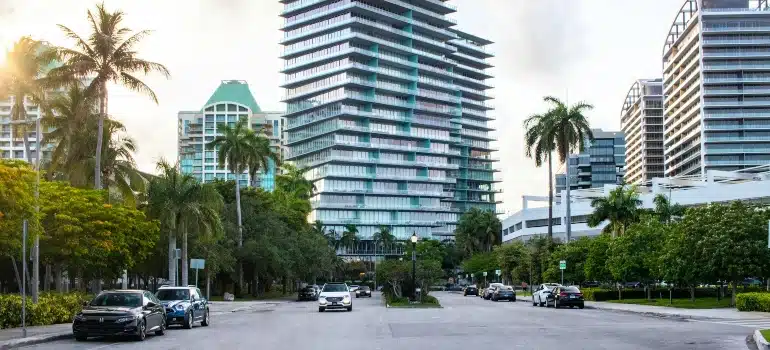
Housing variety remains one of the strongest draws. Buyers and renters see everything from early-1900s cottages to new low-rise condos. Inventory stays limited, which keeps demand steady even during slower market cycles.
Key housing trends worth knowing:
Prices sit above Miami-Dade averages, yet appreciation trends remain consistent. Locals often see Coconut Grove as a long-term hold rather than a short flip, while awareness of housing assistance programs can also shape long-range planning decisions. That mindset supports price stability even during broader market shifts.
Housing costs matter, but daily expenses shape real affordability. Insurance, property taxes, and maintenance require close review. Older homes may need higher upkeep budgets, while condos bring association fees.
Typical cost considerations involve:
Planning works best when reviewing the full monthly outflow rather than focusing only on rent or mortgage numbers.
Families often choose to live in Coconut Grove for school access, combined with safety and outdoor space. Public, charter, and private schools operate within short distances. Commutes to campuses rarely require crossing major highways, which simplifies schedules.
Parks, youth programs, and libraries play a visible role in daily life. This supports households planning to stay long-term. When people ask Is Coconut Grove a good place to live, family stability often sits at the center of the answer.
Outdoor access shapes how residents spend free time. Biscayne Bay, neighborhood parks, and shaded paths create daily opportunities for movement and rest. Many residents build routines around morning walks, evening park visits, or weekend water access.
Common lifestyle patterns include:
This constant access changes how people value space and time. Indoor square footage often matters less than location and surroundings.

Food and culture lean local rather than trend-driven. Longstanding restaurants operate alongside newer concepts, yet turnover stays slower than in downtown districts. Residents support neighborhood spots consistently, which keeps menus stable.
Cultural life includes small theaters, galleries, and music events rather than large venues. Social plans usually stay close to home, which reinforces community ties. Many things to do in Coconut Grove happen within walking distance, reducing planning friction.
Despite its relaxed feel, the Grove connects efficiently to major job hubs. Brickell, Downtown, and Coral Gables sit minutes away. Metrorail access and bus routes support car-light lifestyles for some households.
Key transportation points:
Parking rules vary by block, so checking signage and permits before signing a lease helps avoid daily frustration.
Not all parts of the Grove feel the same. Waterfront zones attract condo buyers and boaters. Inland streets suit families seeking quiet. Village centers work well for renters who value dining access.
Locals often talk about the best places in Coconut Grove in terms of block-level differences rather than broad labels. Spending time walking potential areas at different hours reveals noise patterns, traffic flow, and social activity.
Within Miami-Dade County, competition remains high, so preparation matters. Pre-approvals, flexible closing windows, and local representation often make the difference. Timing searches around seasonal inventory shifts can also help.
For households moving to Coconut Grove, working with experienced moving companies in Miami-Dade can reduce delays tied to building rules, elevator scheduling, and handling requirements common in the area. Coordinated planning supports accurate timelines and limits unexpected cost adjustments during the move.

Retention rates remain high compared to other Miami neighborhoods. Residents cite walkability, community consistency, and lifestyle balance as primary reasons. The area adapts to different life stages without forcing relocation.
For many South Florida households, living in Coconut Grove reflects a choice for stability rather than novelty. That perspective explains why demand remains steady even as trends shift elsewhere.
Coconut Grove rewards informed decisions, especially for buyers and renters who take time to understand block-level differences, long-term costs, and daily lifestyle patterns. The neighborhood allows growth while preserving its character, which explains why residents who live in Coconut Grove often stay longer here. When priorities stay clear and budgets stay realistic, local insight turns into long-term value rather than short-term compromise.