Common reasons people leave Miami
Palm trees and ocean views do not pay the bills. Daily life in Miami can feel harder each year. Housing costs rise faster than ...
License Number: US DOT 2855891
MR 01221
IM 2721
MC 956262


South Florida never sits still. New neighborhoods, job hubs, and schools keep reshaping daily life. If you plan a move, growth trends matter just as much as curb appeal. You want a city that fits your budget today and still works long term. In this guide, our Pro Movers Miami team will walk you through the fastest growing cities in South Florida, explain why they attract people, and share practical moving tips for each area.
Population growth affects almost every part of your move. Housing prices, commute times, school crowding, and even moving dates all shift as people arrive. When you understand where growth happens, you choose areas that fit your lifestyle instead of chasing headlines about the fastest growing cities in the US.
As you compare up and coming cities in Florida, look at more than sunshine. Check job growth, road projects, school investments, and local flood or storm risks. Those details show whether a city grows in a healthy, steady way. They also help you avoid surprise costs and long commutes after you settle in.
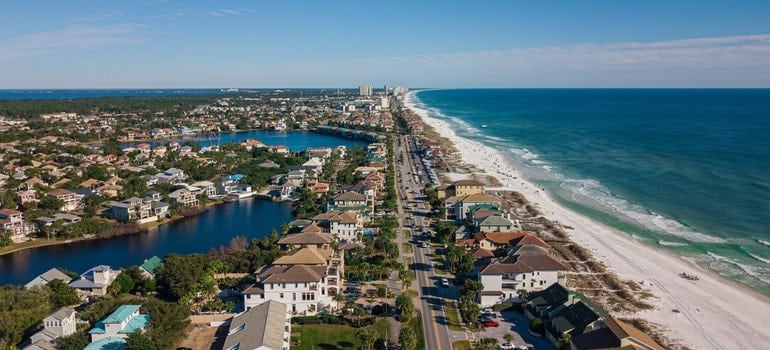
Westlake sits in central Palm Beach County and grows at an impressive pace. State reports and recent Census estimates rank it among the fastest growing cities in Florida, especially when you look at percentage growth. Many buyers like that most homes are new, with modern layouts and energy-efficient features.
Families often choose Westlake for newer schools and planned parks. However, you should still review HOA and CDD fees carefully before you sign anything. These costs change your monthly budget. Also ask your agent about upcoming commercial and road projects, because construction can affect noise and traffic near your street.
If you move here from another part of the state with local movers in Florida, plan several test drives at rush hour. You will quickly see how long it takes to reach West Palm Beach, nearby beaches, and major hospitals.
Miami and West Palm Beach remain strong growth engines for the region. Census data show continued population gains and heavy construction in both cities. New condo towers, mixed-use projects, and transit upgrades keep changing how people move and live.
If you like dense, walkable areas and car-optional living, these cores still work well. Many renters and buyers here look for easy access to Brightline, Tri-Rail, or I-95 rather than yard space. So your moving plan should match that lifestyle.
When you move into these large cities, confirm building rules very early. Many condos require elevator reservations, specific move-in hours, and extra insurance certificates from your movers. If you skip these steps, you risk delays on moving day.
Port St. Lucie appears often in lists of fastest growing cities in South Florida. The city gained tens of thousands of residents over the last decade, according to population estimates. Many of those newcomers come from South Florida counties where prices climbed faster.
You get a more suburban feel here, with master-planned communities, golf neighborhoods, and quieter streets. Prices still feel more accessible than many parts of Miami-Dade and Broward. However, moving insurance costs and storm risks still matter, so you should compare quotes early.
Even though they sit on the Gulf Coast, Cape Coral and Fort Myers attract many South Florida residents. National rankings often place them among the fastest growing cities in the US, with strong in-state and out-of-state migration. People like the canal systems, larger lots, and often lower home prices compared to coastal South Florida.
Growth brings more shopping centers, new schools, and fresh healthcare facilities. However, this region faces serious hurricane and flood exposure. Building codes, elevation, and roof age matter a lot here. So you should always check flood maps, wind history, and current insurance quotes before you fall in love with a house.
If you relocate from South Florida, schedule your white glove moving service outside peak storm months when possible. That way, you keep more control over your dates if a system forms in the Gulf.
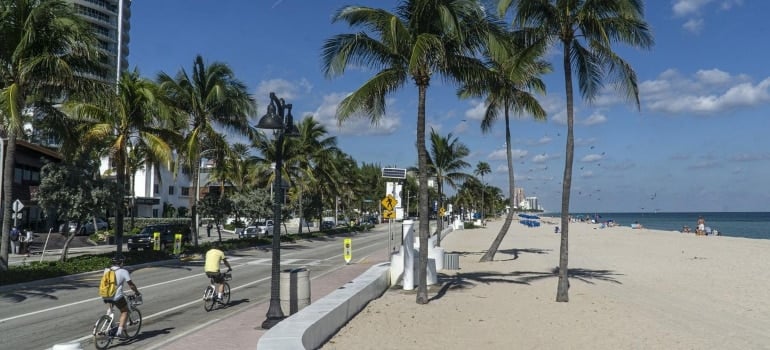
Some of the fastest growing cities in South Florida sit just outside older cores.
You will often hear these communities mentioned along with up and coming Florida towns, even if they sit inside larger metros. They may offer more space, newer schools, and planned retail clusters. Yet they can also bring longer commutes and higher HOA rules.
Before you choose one, drive the route to your workplace, kids’ schools, and your favorite stores. Also, ask your agent for a map of future projects, not just existing features. That helps you see how the area might feel five or ten years from now.
Many South Florida residents move a bit farther away while staying in the state. Towns such as Naples, North Port, Wildwood, or Leesburg often appear in lists of up-and-coming Florida towns and fastest growing cities in Florida. These places offer different lifestyles, from coastal luxury to lake-focused retirement living.
If you plan a longer in-state move, think about your priorities. Do you want quieter streets, lower density, or easier parking? Or do you care more about access to airports and large hospitals? Clarifying those points first helps you filter marketing buzz and growth rankings.
Then you can compare each town on concrete factors: median price, tax rates, storm risk, and local services. That approach feels more practical than chasing the latest “hot” spot.
Growth alone never guarantees a good fit. You still need a city that supports your daily routine. So, create a simple comparison sheet before you decide. Across each option, rate:
As you gather information on the fastest growing cities in South Florida, talk to more than one local source. Real estate agents, small business owners, and school staff often share useful details that do not appear in listings or glossy brochures.
You may feel tempted to buy quickly in the fastest-growing cities in South Florida. Prices rise, listings move fast, and pressure builds. Yet renting first can give you useful breathing room. You test commuting routes, school runs, and daily errands before you commit. Shorter leases also help if your job or family plans might change soon.
Think about renting for six to twelve months in your top area. Use that time to track real sale prices, not only asking prices. Talk to neighbors about noise, traffic, and seasonal crowds. Ask which streets flood during heavy rain and which condos handle maintenance well.
Renting first costs more upfront, but it often prevents bigger mistakes. You avoid buying into a building or neighborhood that does not match your routine. Then, when you finally buy, your choice reflects real life, not only online research.
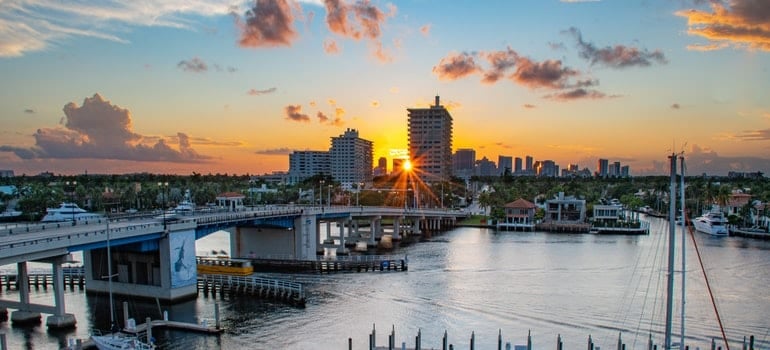
Once you choose a city, planning your move early makes everything easier. Fast-growing areas often have busy inspectors, appraisers, and moving schedules. So you want to reserve important services as soon as your closing date looks firm. Here is a simple moving roadmap for growth areas:
If you move during storm season, follow local forecasts closely. You might adjust your packing pace or moving date a bit to stay safe and avoid last-minute stress.
South Florida sits near many strong growth stories, from local new communities to larger up-and-coming cities in Florida and beyond. When you study population trends, costs, and risk factors together, you gain real control over your move.
Use this guide on the fastest growing cities in South Florida as a starting checklist. Then refine it with your own priorities, neighborhood visits, and conversations with local experts. That way, you choose a fast-growing city that supports your long-term plans instead of just following the latest list.