How to look for a new Miami apartment remotely
Trying to secure a home from hundreds of miles away can feel risky, especially in a fast-moving market like Miami. The good news is ...
License Number: US DOT 2855891
MR 01221
IM 2721
MC 956262


The reasons your home is not selling usually come down to a few clear issues: price, condition, timing, presentation, or weak listing strategy. In South Florida, buyers compare your home against newer listings, updated properties, and homes with better storm protection or lower expected repair costs. Some sellers work with Miami movers early to remove bulky items and improve how the space looks online. That is why why is my home not selling often has a very practical answer.
One of the main reasons a house is not selling is the gap between seller expectations and current buyer behavior. A home can look clean, well-kept, and move-in ready, yet still sit on the market if the price feels too high for the area.
In Miami, buyers often compare your listing against nearby homes with updated kitchens, newer AC systems, hurricane impact windows, or lower monthly ownership costs. Pricing matters even more in a Miami luxury home sale, where buyers compare finishes, layout, and condition very closely.
A pricing problem does not always require a major cut. Sometimes a small adjustment is enough to bring back showings and fresh interest. Other times, the issue is that the home entered the market above what buyers were willing to pay from the start. When that happens, even a strong presentation may not solve the problem. That is often the real answer behind why is my house not selling.

Presentation still matters, but buyers in South Florida usually focus on more than furniture layout and decor. Staging helps, yet it works best when it supports features buyers already want. In Miami homes, buyers often notice older kitchens, dated bathrooms, poor lighting, worn floors, and signs that major systems may need work soon.
They also pay close attention to practical updates. Hurricane impact windows, a newer AC system, clean exterior finishes, and neutral paint often shape buyer interest more than decorative details. A seller may describe the home as charming, but the market may see future costs instead.
This is one reason home not selling can come down to function more than style. Which is why many sellers use storage in Miami to remove extra furniture, personal items, and packed boxes before listing photos. That step can make rooms look larger and help buyers focus on the layout instead of clutter.
A home does not need major structural damage to lose buyers. Sometimes the trouble starts with smaller visible issues that raise bigger concerns. Water stains, minor leaks, aging electrical work, loose fixtures, mold signs, or an old roof can make buyers question the whole property.
In South Florida, roof age, AC performance, moisture issues, and permit history carry extra weight because climate and weather exposure affect long-term costs. Repair history matters more when selling an older home, especially if buyers notice roof age, AC wear, or outdated systems.
This is where property not selling often links back to repair risk. Buyers may expect price reductions when they see unresolved maintenance issues. They may also assume that hidden problems exist behind the visible ones. A pre-listing repair plan can help you avoid that reaction. It also puts you in a stronger position during inspection and negotiation.

Timing affects demand in ways many sellers underestimate. South Florida does not always move in step with national housing patterns. Winter can bring more attention from seasonal residents and out-of-state buyers, especially in markets that attract snowbirds. That added activity can help listings that already show well and are priced correctly.
Still, timing alone will not fix a weak listing. Poor photos, outdated copy, or a home that has been sitting too long can reduce interest fast. That is often when homeowners start wondering when to worry about the house not selling.
A good rule is to look closely at the listing if showings stay low after the first couple of weeks. Low activity usually points to a pricing, presentation, or marketing problem rather than bad luck.
Your agent’s performance has a direct effect on how quickly a home sells. A listing needs more than an MLS upload and a few photos.
In a competitive South Florida market, your agent should track new competition, review showing feedback, suggest changes early, and explain what buyers expect in your price range. That is why why is house not selling sometimes has less to do with the property and more to do with the strategy behind it.
A weak agent may leave the price unchanged for too long, ignore feedback about condition issues, or fail to improve the listing once it starts going stale. Sellers also reach the point of asking why is our house not selling when communication drops and there is no clear plan after the first few weeks on the market.
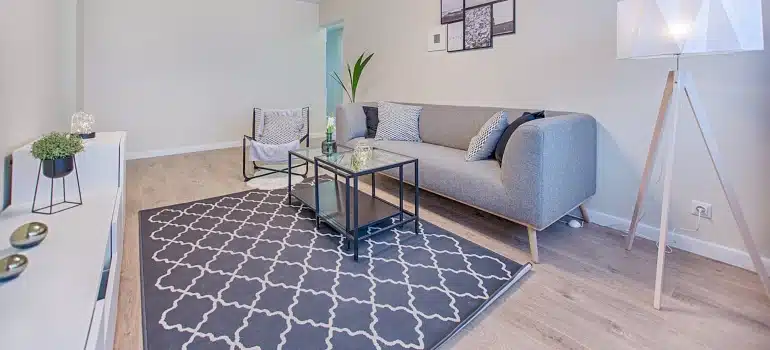
Before you relist, adjust the price, or plan another round of showings, work through the most important sale-ready steps first:
These steps help you spot weak points early, discover the reasons your home is not selling, and make the listing easier to improve before the next round of showings.
The question why is my property not selling usually leads back to details that buyers measure quickly. Price has to make sense. The home needs to show well. Repairs need attention before they become negotiation problems. Timing and marketing your home also need to support the listing instead of working against it. Once you fix the real reasons your home is not selling, you can focus on decluttering, storage, and planning the move with a lot more certainty.