4 Common issues when moving antique furniture long distance
One small crack can change the value of an antique piece. That is why long-distance transport needs more than blankets and a truck. Age, ...
License Number: US DOT 2855891
MR 01221
IM 2721
MC 956262


Penthouse living can feel like the “top tier” move. Views, privacy, and space often come with it. Yet the details of moving into a penthouse in Miami matter more than the height. South Florida buildings vary a lot by age, rules, and upkeep. This guide by our movers in Miami breaks down the real tradeoffs, plus the checks that protect your budget.
The phrase penthouse meaning shifts across South Florida buildings. Some towers reserve it for the top floor only. Other buildings label several upper floors as “PH,” even when layouts match lower units. So, treat the label as a clue, not a guarantee.
Ask for the unit’s legal description and floor plan, then compare it to a standard line below. Next, confirm what counts as exclusive-use space. Terraces, storage cages, and even roof areas can look private, yet rules may limit access or add responsibilities. Also, verify window type and ceiling height in writing. Those details affect comfort, noise, and long-term value.

The main advantages of living in a penthouse usually come from space, light, and fewer shared walls. You often get a quieter feel because fewer neighbors pass your door. Also, larger terraces can change how you host and relax, especially during cooler months.
Many buildings give top units better entry options, such as private elevator access or smaller hallway traffic. That helps privacy, and it can help security too. Still, each benefit depends on the building’s layout and staffing. So, visit at peak hours and listen for hallway noise, elevator chimes, and nearby mechanical rooms. Then, look at the terrace drainage and door seals, since outdoor space adds upkeep.
The benefits of living in penthouses show up in routines, not only photos. Higher floors often reduce street noise, and they can improve sleep for light-sensitive people. Also, you may get better breezes on mild days, which makes outdoor space more usable.
Daily ease still depends on how the building runs. Elevator speed, package handling, and loading dock rules matter more when you live at the top. So, test elevator wait times during weekday evenings and weekend mornings. If you own art, fragile décor, or large mirrors, plan the move-in path early. Art movers can help with custom crating and careful elevator staging, which lowers the risk of corner bumps and frame twists.
The problems with penthouses often link to exposure. Wind pressure increases higher up, so windows, sliders, and balcony doors take more stress. As a result, small seal failures can turn into water intrusion during storms. Heat gain can also rise near roof lines, which may push AC use and utility bills.
Ask for records of roof work, façade repairs, and balcony waterproofing. Then, review the building’s reserve study and recent assessments, since major exterior projects cost a lot. Plan your move protection the same way.
Proper valuation and moving insurance coverage matter more in luxury interiors with stone floors and custom millwork. Also, request proof of liability coverage and a certificate of insurance for the building, since many condos require it before move-in day.
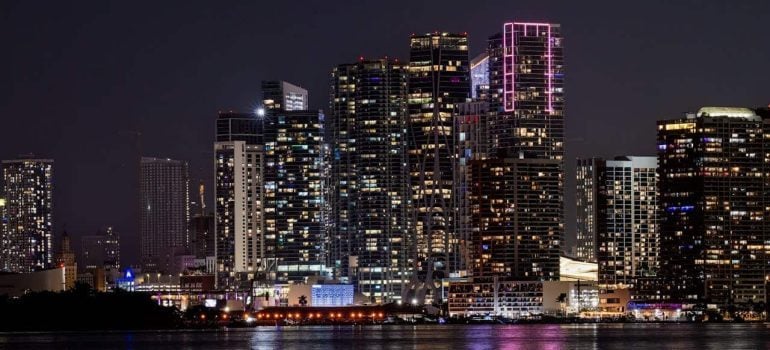
A penthouse in Miami can carry extra costs beyond the purchase price. Local HOA fees can rise faster in full-service towers, since staffing and amenities cost more. Insurance pressure can also raise building premiums, which may affect dues. Special assessments can appear after major repairs, too, especially for older waterfront properties.
Lifestyle rules can shape cost and flexibility as well. Some condos limit rentals, renovation hours, and delivery access. So, match those rules to your work schedule and travel habits. If your closing date and renovation timeline do not line up, plan storage early.
High-rise moves run on rules, not only muscle. Most buildings in Miami require reserved elevators, set move-in windows, and padded wall protection. So, call the property manager as soon as you set a closing date. Ask about deposit amounts, elevator padding requirements, and weekend restrictions.
Also, confirm truck access and turning space. Some Miami and Broward towers restrict vehicle size, and tight garages can force smaller loads. That affects time and cost. High-end movers who handle condos every week usually plan for these limits, and they bring tools for tight hallways.
Luxury units often include gallery walls, floating shelves, and premium flooring. Those features look great, yet they are damaged easily during move-in. So, build a protection plan before the first box arrives. Start with fragile categories: framed art, sculptures, mirrors, wine collections, and electronics.
Then, set a “no stacking” rule for anything with glass or sharp corners. Use corner guards, foam wrap, and rigid crates for top-value pieces. Local art movers can coordinate crate dimensions with elevator size, which prevents last-minute repacking in the lobby.

Small checks now can prevent big regrets later. Use this list to keep the decision grounded.
Next, price out the true monthly cost. Include HOA dues, parking, insurance, and realistic utilities. Then, compare that total to a lower-floor unit in the same building. If the premium still fits your goals, the penthouse can make sense.
Check the building’s health, confirm the rules, and plan the process of moving into a penthouse in Miami early. If you do that, you protect your budget and your finishes. A careful move plan, the right coverage, and the right handling standards can turn a complex high-rise move into a calm first week at home.