4 Common issues when moving antique furniture long distance
One small crack can change the value of an antique piece. That is why long-distance transport needs more than blankets and a truck. Age, ...
License Number: US DOT 2855891
MR 01221
IM 2721
MC 956262


South Florida and ski gear sound like an odd pair. Yet you might keep a full ski setup in your closet while living under palm trees. When it is time to move to another state, that gear needs special care. In this Pro Movers Miami guide, we’ll walk you through how to pack your ski gear for an interstate move so it stays safe from heat, moisture, and rough handling.
Ski gear is expensive, so treating it well protects your investment. Proper care during an interstate move keeps that value intact. It also saves you from last-minute shopping when you reach your new state. Instead of hunting for new boots, you can focus on settling in.
Good prep also protects performance and safety. Edges rust, bases dry, and boots warp when packed wet or loosely. Because of that, careless packing can turn good gear into unreliable gear. Damaged skis may not grip on ice, and old, dented helmets protect less.
Careful cleaning, drying, and padding significantly reduce these risks. As a result, your first ski trip after the move feels easy, safe, and fun, not stressful or costly.
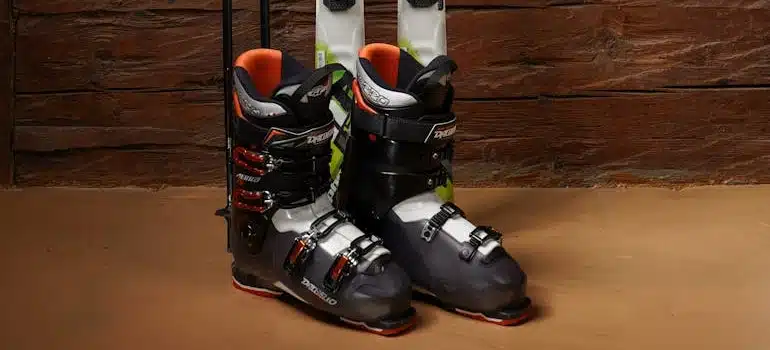
Start with a quick inventory. You probably own more ski items than you think. Before you pack your ski gear for an interstate move, list it:
Then note the condition of each piece. Take clear photos, especially of skis, bindings, and boots. These photos help with insurance if something gets damaged.
Next, decide what still makes sense to keep. Some older skis do not handle hard use anymore. In that case, consider donating them or recycling them instead of paying to move them. Clear decisions now save truck space and money later.
Good prep protects your gear during a long trip. So, start with a full clean. Wipe skis and poles with a soft cloth. Remove dirt, road salt, and old resort grime. Then clean boots inside and out. Take out liners and footbeds, air them, and check for moisture or odor. Also, wash base layers, gloves, and ski socks before packing.
Humidity in South Florida can be tough on gear. So make sure everything is fully dry before it goes into boxes or bags. Any trapped moisture can lead to rust on edges, mildew on fabrics, and bad smells that stay. A clean, dry start keeps your gear in good shape when you unpack.
Skis look tough, yet they can chip, warp, or crack in transit, unless you get white-glove packing assistance. So treat them like fragile sports gear, not like simple luggage.
If you have hard ski cases, use them. They offer the best protection in a moving truck. Otherwise, use a padded ski bag. Place a layer of bubble wrap or foam between the skis so they do not rub. Then secure brakes with rubber bands and cover sharp edges with edge guards or extra cardboard.
Poles pack best alongside the skis. Wrap them in a towel or bubble wrap and place them in the same bag or case. After that, fill any space in the bag with soft items like base layers or fleece. This reduces movement and adds extra padding.
Boots need just as much attention as skis. Poor packing can warp plastic shells or crush liners.
First, buckle boots lightly. Do not clamp them tight, but close each buckle enough to hold the shape. Then stuff the inside with socks or soft clothing. This supports the liner and shell. If you still have the original boot bag, use it. If not, wrap each boot in bubble wrap or thick towels.
For an interstate move from Miami, you can pack boots in a sturdy box or a plastic bin. Place heavier items, like wax tools, around them rather than on top. Also, label this box “HEAVY – SKI BOOTS” so one of your chosen interstate moving companies in Miami can handle it with care and stack it properly.
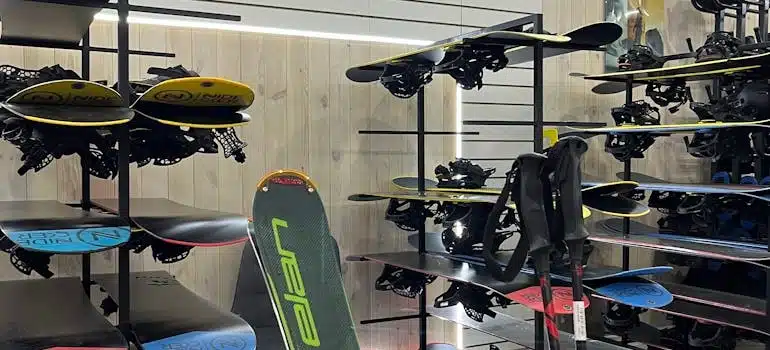
Head and eye protection deserve extra padding. A cracked helmet or scratched lens can ruin your next ski trip.
Inspect your helmet first. If it has any visible damage from past falls, plan to replace it instead of moving it. For a good helmet, wrap it in bubble wrap or pack it in its original bag. Then place it in a box lined with soft gear.
Goggles should go in their microfiber bag or hard case. After that, tuck them between soft layers like base layers or neck warmers. Avoid placing heavy items in the same box. Impact during transport can crack plastic parts or distort foam if the box gets crushed.
Ski clothing takes up space, yet it also works as great padding. With some planning, you can use it to protect your gear and still unpack easily.
Group clothing by type: base layers, mid-layers, jackets, pants, and accessories. Roll each item instead of folding it flat. Then use rolled items to fill gaps around skis, boots, and helmets. Focus on covering any hard corners or sharp edges.
However, stay organized while you do this. Label each box with both “Ski clothing” and the items inside. For example, “Ski clothing – jackets and pants only.” Clear labels help you find what you need fast when your first cold-weather trip comes around in your new state.
Some pieces of ski gear are better off with you, especially for interstate moves from South Florida to colder states. Important items to keep close include:
You can pack these items in your car or as part of your carry-on if you fly. This approach also protects smaller, easy-to-lose pieces from getting buried in the load.
Heat and moisture can cause more damage than bumps during the long drive. This matters a lot when your move starts in South Florida.
Ask your long-distance movers in Florida about the climate conditions inside the truck. While most trucks are not climate-controlled, you can still reduce risk. Use moisture-absorbing packets (silica gel) inside ski bags, boot bags, and gear boxes. Then seal boxes with quality packing tape to limit humid air.
Waxing your ski bases before the move helps protect them, too. Apply a storage wax layer and leave it unscraped. This shields the base material from drying out or oxidizing during a long, warm trip. When you arrive, you can tune the skis at home easily or take them to a local shop.
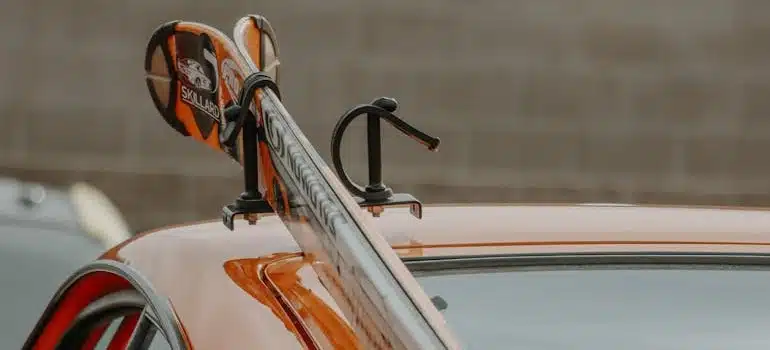
Good documentation gives peace of mind for high-value gear. Ski setups are expensive, so treat them like any major household item.
List each piece with brand, model, and approximate value. Then share this list with your moving company when you discuss moving insurance options. Some policies require itemized lists for sports gear above a certain value. Also, keep your photos and list in a cloud folder, not just on your phone.
Clear labels help, too. Mark each box or bag with “SKI GEAR – FRAGILE – DO NOT STACK HEAVY ITEMS.” Strong labeling encourages careful placement in the truck. It also helps you find everything quickly once your shipment arrives.
Even experienced skiers from Miami make preventable mistakes when moving gear across state lines. Still, you can avoid most issues with a bit of planning and support from professional packing services in Miami. Hence, do your best not to:
Small steps like these keep your gear safe and ready for the first trip to the slopes after you settle in your new home.
Good packing protects your ski investment and keeps your future winter trips easy to plan. Now you know how to pack your ski gear for an interstate move in a way that handles heat, distance, and rough handling. If you want help with supplies, packing, or short-term storage for your skis and snowboards, reach out to our team. We can guide you through each step so your gear arrives ready for fresh snow, even if your move starts under the South Florida sun.